

Tax season can be a stressful time for many, and for landlords, it brings a unique set of considerations. As you prepare to navigate the intricacies of tax season, it’s crucial to stay informed about the specific obligations and opportunities that come with being a landlord.
In this guide, we’ll walk you through key aspects of preparing for tax season as a landlord, helping you streamline the process and maximize your returns.
Understand Rental Income:
Before diving into the world of tax preparation, it’s essential to have a clear understanding of your rental income. This includes not only the rent you collect but also any additional income from services or facilities provided to your tenants. Ensure that you have accurate records of all financial transactions related to your rental property.
Deductions and Expenses:
Canadian landlords are eligible for various deductions and expenses that can significantly impact their tax liability. Common deductible expenses include mortgage interest, property taxes, insurance, and maintenance costs. Keep meticulous records of these expenses throughout the year to make the tax filing process smoother.
Reporting Rental Income:
Canadian landlords are required to report their rental income on their tax returns. This includes both residential and commercial properties. Familiarize yourself with the tax forms related to rental income, such as the T776 Statement of Real Estate Rentals, and provide accurate and complete information to avoid potential issues with the Canada Revenue Agency (CRA).
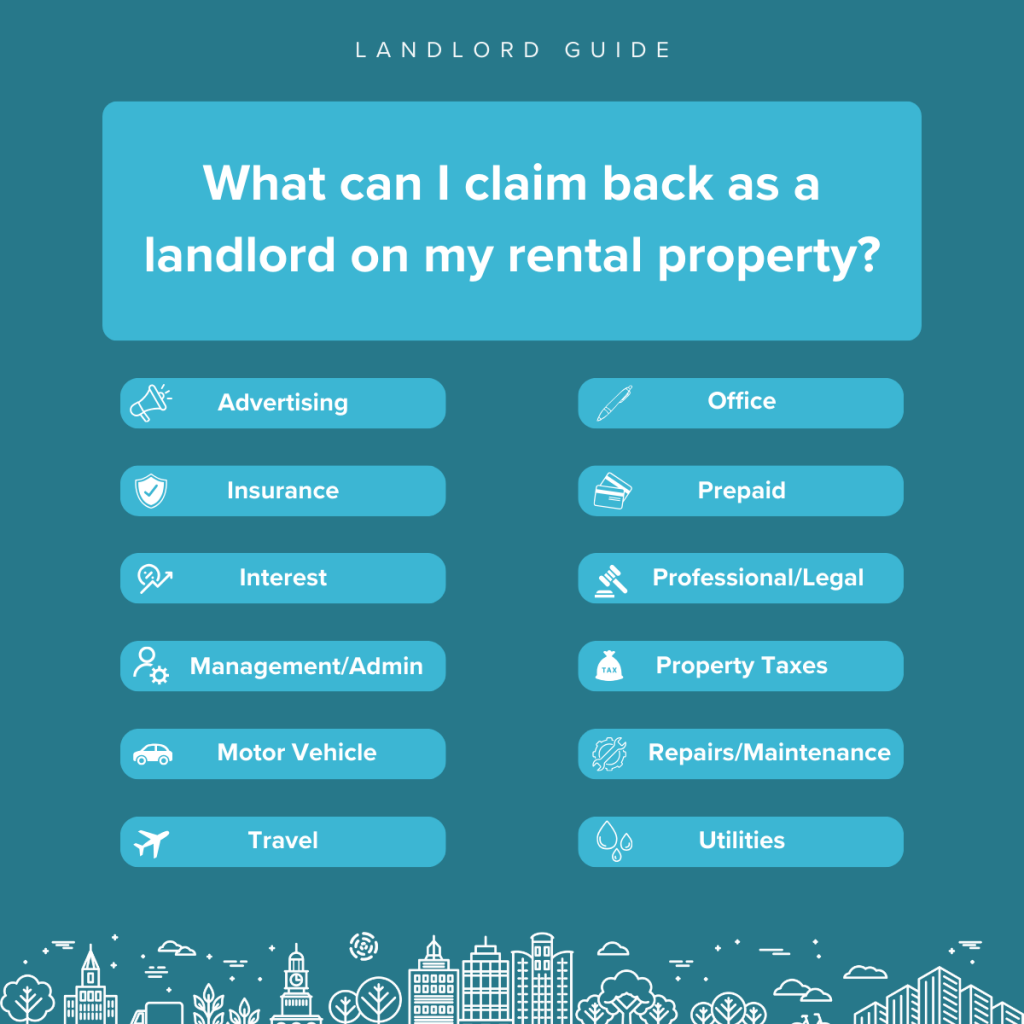
> Landlord Guide: What Can I Claim Back On Taxes?
GST/HST Considerations:
If your rental income exceeds a certain threshold, you may be required to register for the Goods and Services Tax/Harmonized Sales Tax (GST/HST). Understanding the implications of GST/HST on your rental income and expenses is vital for compliance and avoiding penalties.
Keep Detailed Records:
The importance of maintaining detailed and organized records cannot be overstated. From lease agreements to receipts for expenses, having a comprehensive record-keeping system will not only simplify tax preparation but also serve as a valuable resource in the event of an audit.
Seek Professional Advice:
Tax laws and regulations are subject to change, and the complexity of landlord taxation requires a nuanced understanding. Consider seeking the expertise of a tax professional who specializes in real estate to ensure that you are taking advantage of all available deductions and complying with current tax laws.
As tax season approaches, Canadian landlords can proactively prepare by understanding their obligations and leveraging available opportunities. By staying informed, keeping meticulous records, and seeking professional advice when needed, landlords can navigate tax season with confidence, ensuring compliance with regulations and maximizing their returns.
Remember, a well-prepared approach to taxation is an investment in the long-term success of your rental property ventures.
- How to Conduct a Credit Check on a Prospective Tenant
- Understanding Ontario’s 2023 Rent Increase Guideline: A Landlord’s Guide
- Unlock The Key To High Quality Tenants: Rental Listing Best Practices
- Landlord Guide: The Benefits of Verifying Your Rentals.ca Account
- Essential Tips for Screening and Selecting Reliable Tenants

Rentals.ca is Canada’s premier online marketplace for renters and landlords, providing a comprehensive suite of tools and resources tailored to simplify the rental process. With an extensive selection of listings across the country, Rentals.ca offers user-friendly search functionality that helps renters find their perfect home efficiently. For landlords, Rentals.ca delivers effective advertising solutions to maximize visibility and fill vacancies faster. Committed to innovation and excellence, Rentals.ca aims to empower users with up-to-date market insights and expert guidance, making renting easier and more accessible for everyone.